Torn between big-lake living in Huntersville and the energy of being closer to Uptown Charlotte? You are not alone. Many buyers wrestle with the tradeoffs between space, commute, and daily lifestyle. In this guide, you will see how homes, lot sizes, drive times, transit, amenities, and costs compare so you can choose with confidence. Let’s dive in.
What you trade off
Choosing between Huntersville and closer-in Charlotte neighborhoods often comes down to three things: how much space you want, how you commute, and what you like to do day to day. Neither option is right or wrong. It depends on your priorities and schedule.
Space and lot size
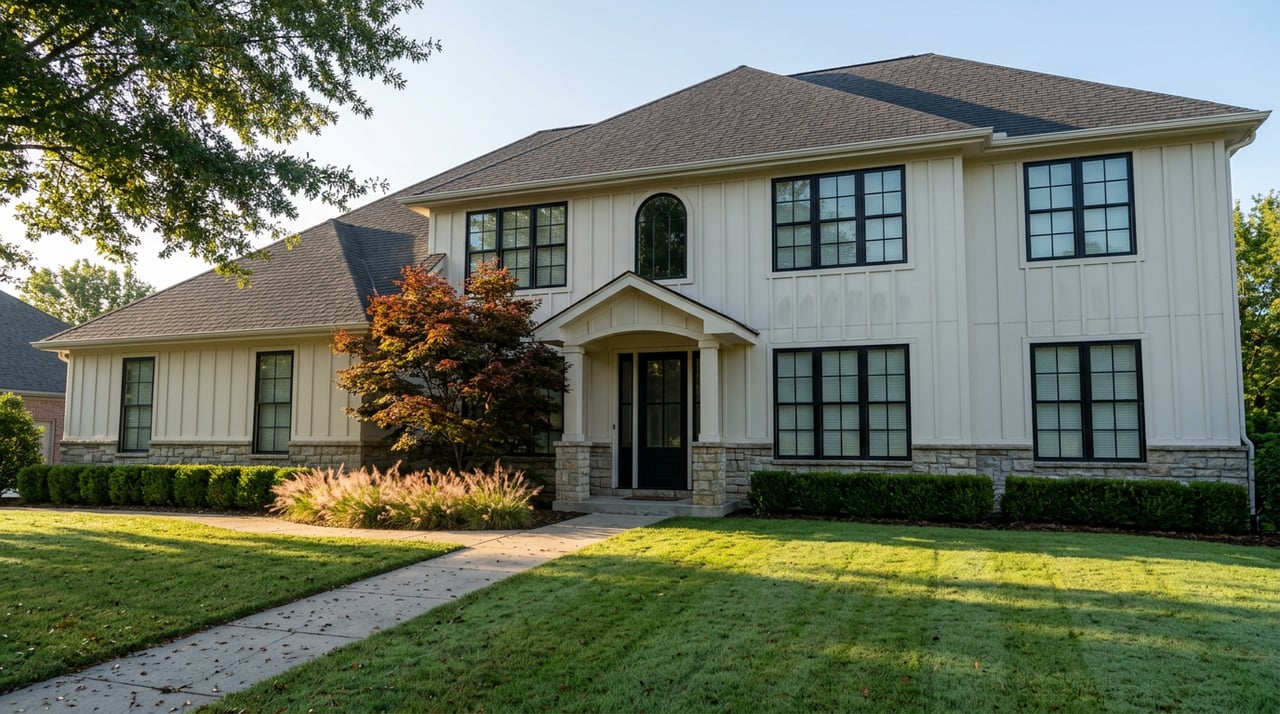
If you want a larger private yard and a single-family home, Huntersville gives you more options. Subdivisions commonly feature lots in the roughly 0.15 to 0.5+ acre range, with even larger parcels on the town’s edges. You can confirm standards and minimums in the Town’s zoning and subdivision text in the Huntersville code. You will see how many neighborhoods are planned for single-family living with wider frontages and deeper setbacks. Review the town’s rules in the Huntersville zoning code to understand lot patterns and minimums. For parcel-level checks, always verify in GIS.
- Huntersville zoning and subdivision standards support larger single-family footprints. See the Huntersville code for lot-size context: Huntersville zoning code.
- Closer-in Charlotte neighborhoods mix condos, townhomes, and a range of single-family lots. Smaller-lot and attached options are common in South End, Plaza Midwood, and similar urban districts. The City’s Unified Development Ordinance allows a variety of small-lot neighborhood forms: Charlotte UDO reference.
Bottom line: If you value a bigger yard and more indoor space, Huntersville typically makes that easier. If you prioritize a compact footprint and walkable access to shops and dining, closer-in areas deliver.
Commute and reliability
Census data shows average travel time to work at about 27.2 minutes for Huntersville and about 24.7 minutes for Charlotte city overall. These are broad averages, not a forecast for your exact address or schedule. In real life, a drive from central Huntersville to Uptown can be 20 to 30 minutes off-peak and often 30 to 50 minutes during rush hours, depending on incidents and I‑77/I‑485 congestion. That variability is what you should plan for.
- For context, review mean travel times in U.S. Census QuickFacts: Huntersville travel-time snapshot.
- The I‑77 Express Lanes were added to improve reliability during heavy traffic. Learn how they work and how tolling can save time: NCDOT Express Lanes overview and FHWA I‑77 Express profile.
If you are in the office daily and on a tight schedule, living closer-in often cuts risk and drive-time swings. If you have a hybrid schedule and want more space, Huntersville can be a great fit if you budget extra time during peak hours.
Lifestyle and amenities
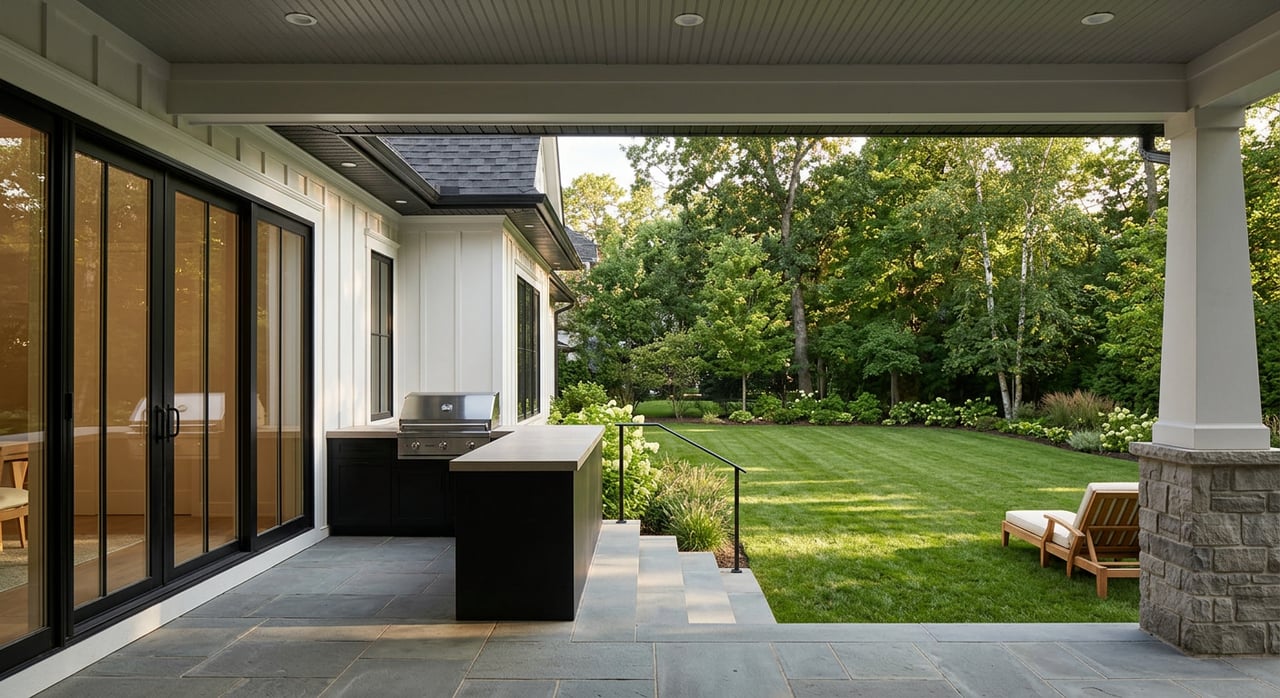
Huntersville leans into lake and outdoor living. You will find easy access to Lake Norman and regional parks like Latta Nature Preserve. Weekend plans often include trails, paddling, or a short drive to the water. Closer-in neighborhoods trade yard size for proximity to greenways, museums, major employers, and a dense dining scene.
- Closer-in example: the Little Sugar Creek Greenway runs through central corridors with direct access to Uptown districts. Explore the route here: Little Sugar Creek Greenway map.
What homes cost right now
Market trackers report different numbers because they measure different things. Median sale price, median list price, and a typical home value index will not match exactly. Use vendor, date, and metric to frame any comparison.
Here is a quick snapshot from common trackers:
| Area | Metric | Vendor | Date | Value |
|---|---|---|---|---|
| Huntersville | Median sale price | Redfin | Feb 2026 | $520.6K |
| Huntersville | Typical home value | Zillow | Dec 2025 | $537K |
| Huntersville | Median listing price | Realtor.com | Dec 2025 | $559K |
| Charlotte (city) | Median sale price | Redfin | Feb 2026 | $420K |
| Charlotte (city) | Typical home value | Zillow | Jan 2026 | $396K |
What to make of this:
- Huntersville generally prices in the low to mid $500Ks on many trackers. Premium micro-locations, like lakefront or top-tier new builds, can be well above that.
- The City of Charlotte shows lower overall medians, but close-in historic streets and new luxury infill sit far above citywide averages.
- The northern submarket, including Huntersville, has been an active, higher-priced corridor in recent years. For a deeper read on local dynamics, review the UNC Charlotte North Mecklenburg housing study: North Mecklenburg housing report.
Commute options you can test
Driving and express lanes
The I‑77 Express Lanes use dynamic pricing to keep traffic free-flowing in the tolled lane, which can help during heavy congestion. You pay a toll in exchange for a more predictable drive time. Learn how they operate and where they connect:
Practical tip: Sample your specific route with Google, Apple, or Waze for five weekdays at your usual departure time, and compare regular lanes to express-lane routing.
Transit and park-and-ride
CATS operates park-and-ride facilities that connect the Lake Norman corridor to Uptown via express bus. Long-range planning also includes bus rapid transit concepts for the northern corridor. You can review corridor plans here: CATS 2030 Corridor System Plan.
Practical tip: Test a door-to-door bus trip from the address you are considering. Include parking, transfer time, and last-mile walking so you get a real picture of total travel time.
Taxes, HOAs, and services
Homes in both Huntersville and Charlotte pay Mecklenburg County property taxes, and each municipality sets its own rate. Many Huntersville subdivisions also include HOA dues for amenities and common-area upkeep. These costs affect your monthly payment.
- Verify parcel taxes, assessments, and boundaries in the Mecklenburg County GIS: Mecklenburg County GeoPortal.
School assignments are address-specific and can change over time. Huntersville addresses generally feed Charlotte‑Mecklenburg Schools assigned to the area, such as North Mecklenburg High School, while close-in neighborhoods feed different schools. Always confirm current boundaries and any magnet or choice options with CMS: CMS resource page example.
Quick decision checklist
Use these prompts to focus your search:
- How much private outdoor space do you want? Huntersville subdivisions commonly range from about 0.15 to 0.5+ acres, with larger parcels on the edges. Closer-in areas often include townhomes and condos on much smaller lots.
- What is an acceptable daily commute window? If you must be punctual in Uptown, closer-in may reduce schedule risk. If you are hybrid or flexible, Huntersville is viable if you budget extra time during peaks.
- Which amenities matter most? If you love lake access, trails, and weekend nature time, Huntersville fits well. If you want greenways, cultural venues, and a walkable dining scene, closer-in areas shine. Explore the Little Sugar Creek Greenway for a sense of close-in connectivity.
- How do taxes, HOA dues, and utilities impact your budget? Compare line by line using the county GIS and HOA disclosures.
- What is your price and resale plan? Expect medians to vary by data source. Premium micro-locations on both sides of town can sit well above the averages.
How I help you compare and win
If you are still weighing Huntersville against a closer-in option, a focused strategy session can save you weeks. I help you:
- Clarify must-haves for space, commute, and lifestyle.
- Map price bands and likely appreciation drivers street by street using current data and on-the-ground insight.
- Stress‑test commute options, including express lanes and transit.
- Line up private and early-access showings so you see top homes before the crowd.
- If you are selling to buy, coordinate staging, design partnerships, and presentation-first marketing to maximize your sale while you shop.
Ready to compare neighborhoods side by side and move with confidence? Schedule a Consultation with Aralena Paulette today.
FAQs
What is the average commute from Huntersville to Uptown Charlotte?
- Census data shows an average of about 27.2 minutes for Huntersville overall, but real-world drives to Uptown can range from 20 to 30 minutes off-peak and 30 to 50 minutes or more during rush hours.
How do lot sizes in Huntersville compare with South End or Dilworth?
- Huntersville subdivisions often provide lots around 0.15 to 0.5+ acres, while closer-in areas include many smaller-lot single-family homes, townhomes, and condos under the city’s UDO framework.
Are home prices generally higher in Huntersville than in Charlotte city?
- Many trackers place Huntersville’s median in the low to mid $500Ks, while Charlotte citywide medians are lower, though premium close-in streets and new luxury infill can exceed city averages.
What transit options connect Huntersville to Uptown Charlotte?
- CATS operates express bus service with park-and-ride options, and long-range plans include bus rapid transit concepts for the north corridor; test a sample trip to confirm door-to-door timing.
How do taxes and HOA dues differ between Huntersville and closer-in areas?
- Both pay Mecklenburg County tax, but municipal rates and HOA dues vary by address and subdivision; verify specifics in the county GIS and HOA disclosures before you write an offer.