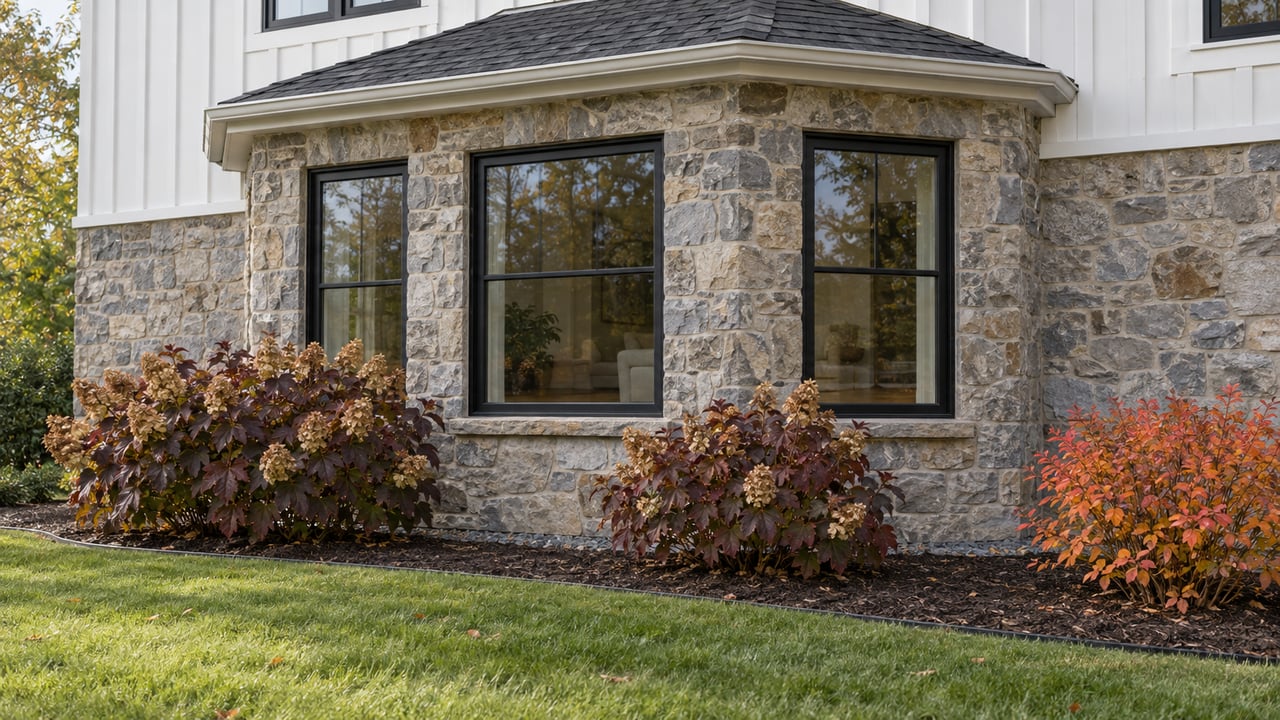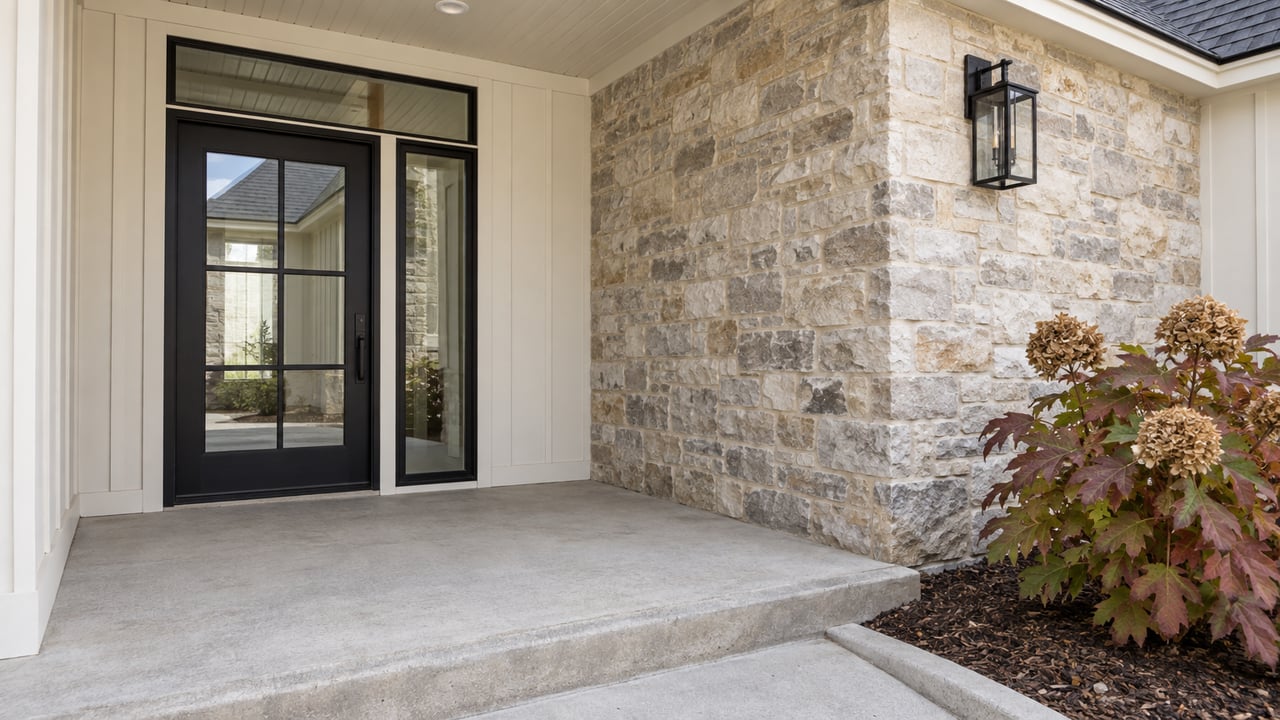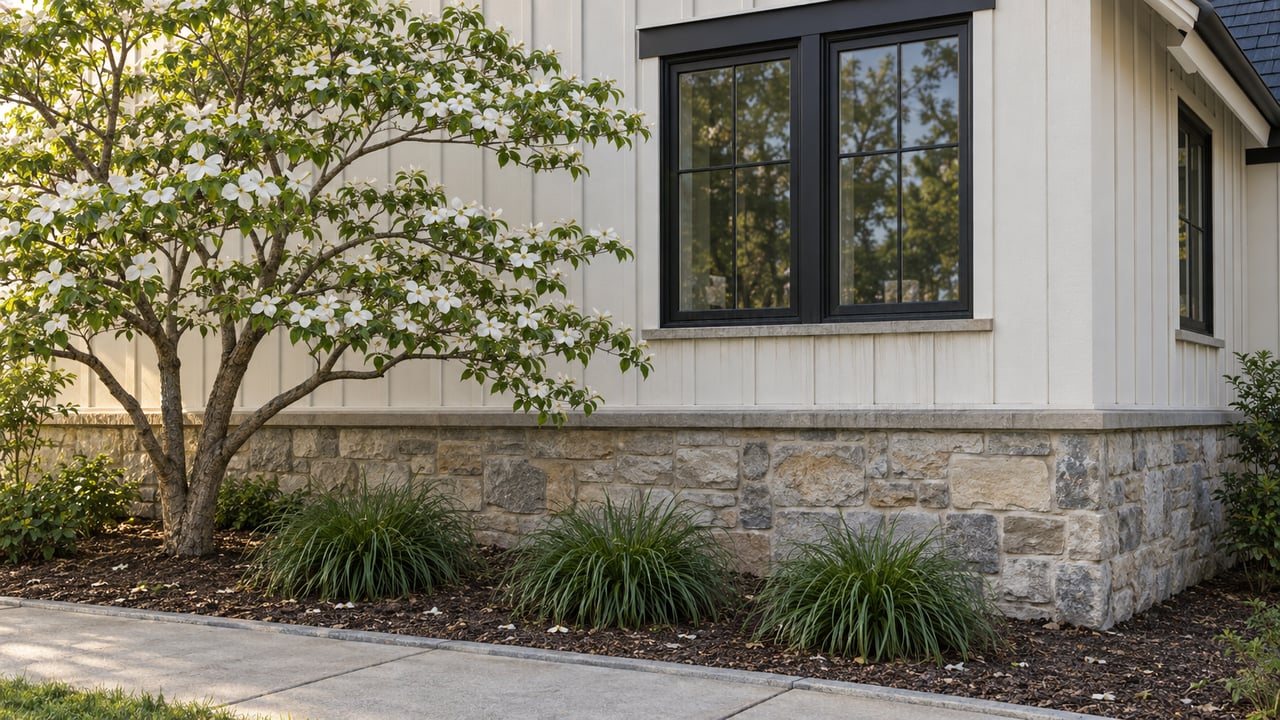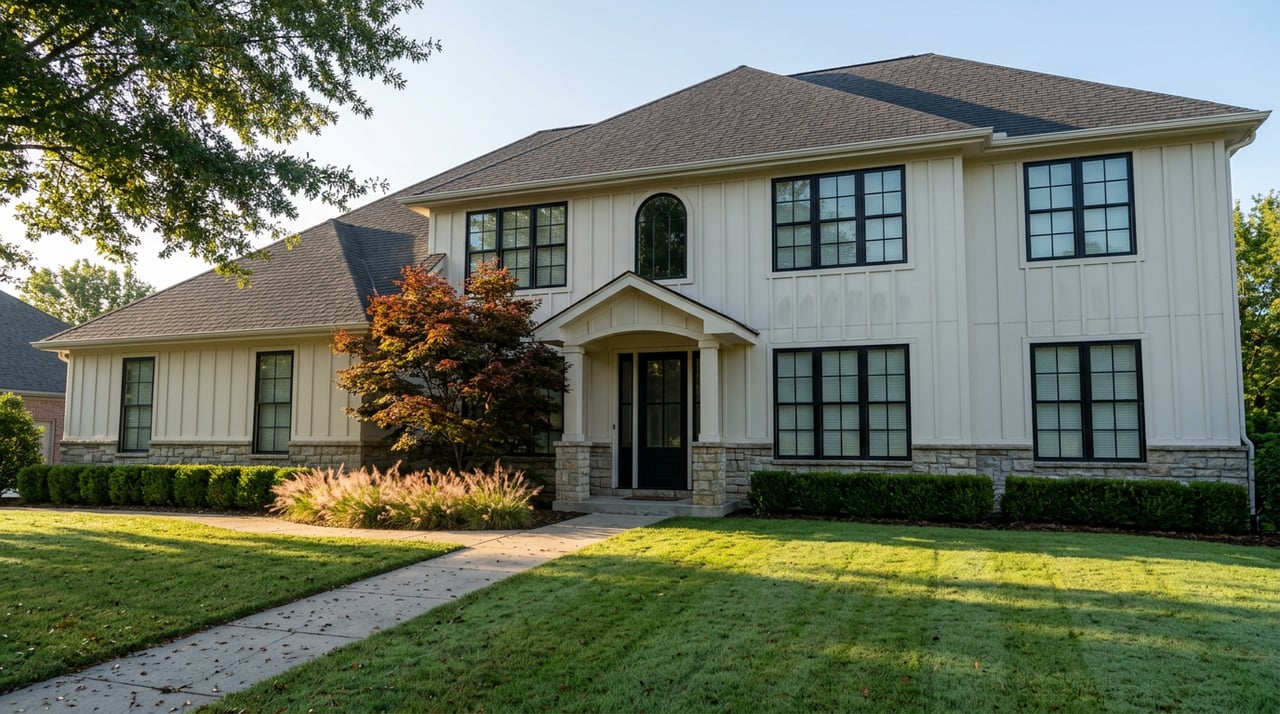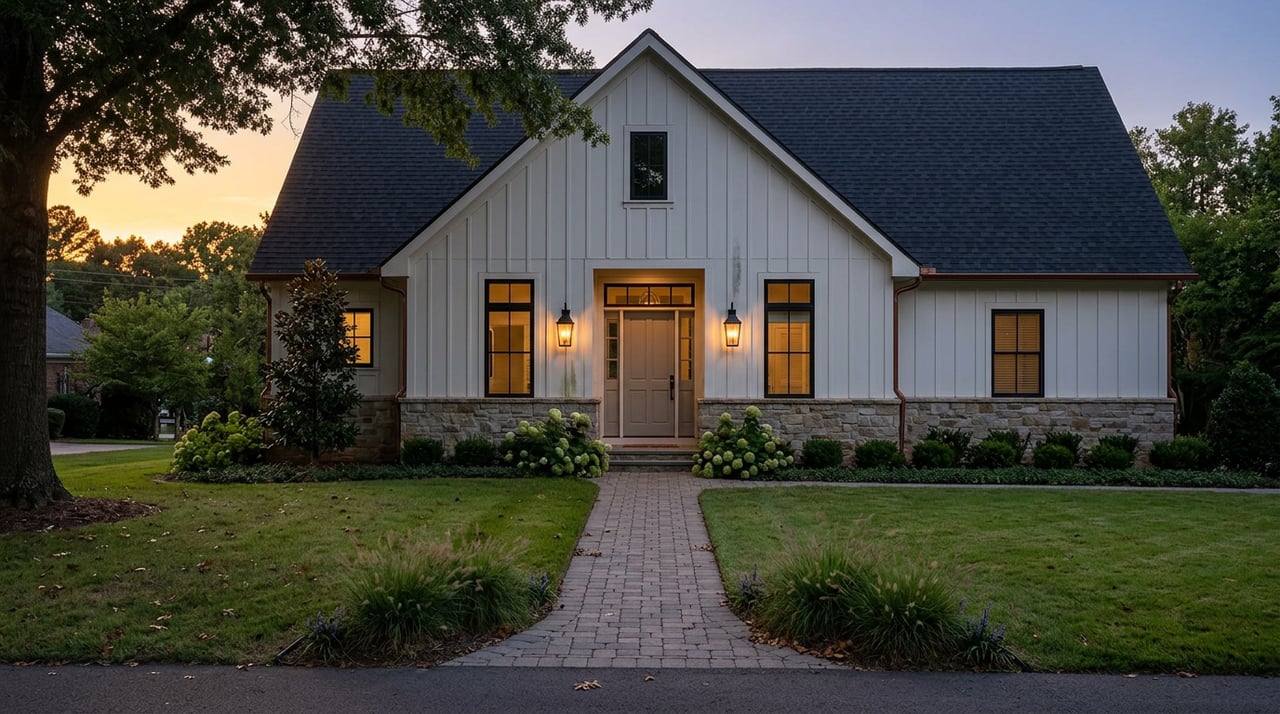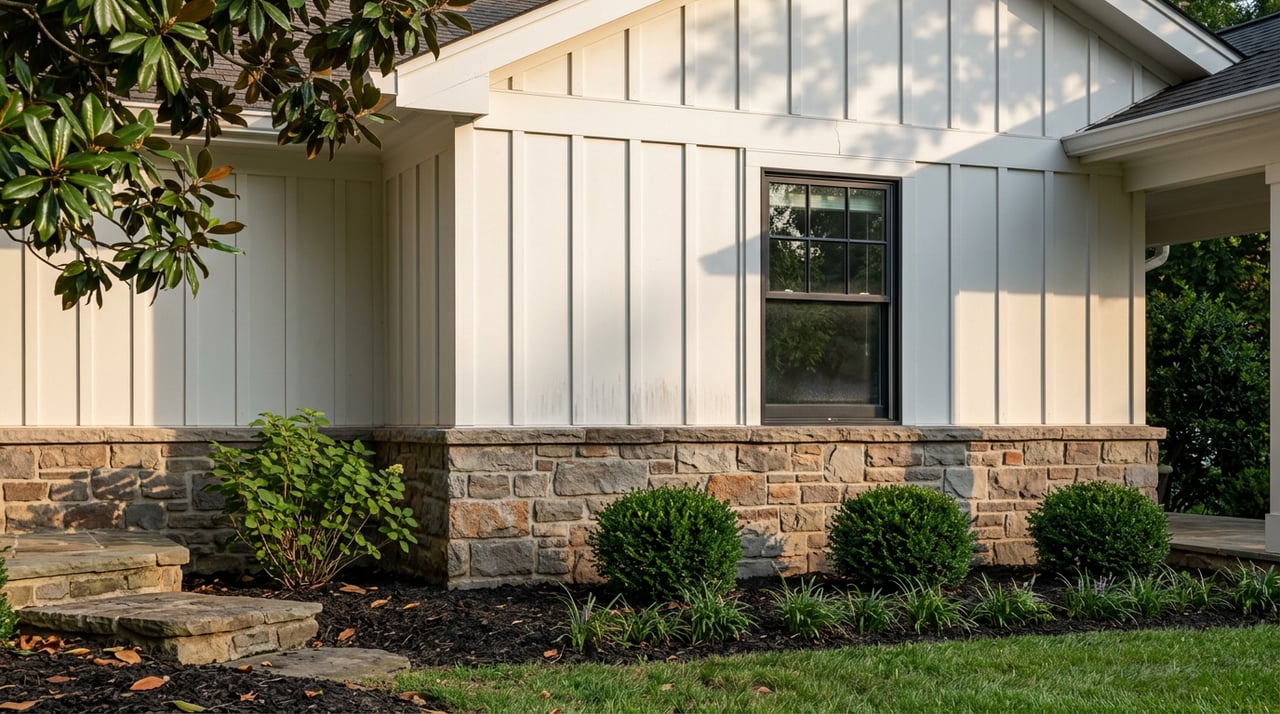
Cotswold started as a neighborhood of brick ranch homes built in the 1950s and 1960s, the kind with a single bath, a carport, and a lot big enough to grow a real garden. Walk the same streets today and the math has flipped. As of May 2026, the typical year of construction across current listings and recent sales in the subdivision spans 1948 to 2026, with a median landing around 2016. In the twelve months ending in May 2026, sales in the subdivision ranged from $450,000 to $4.81 million, closing in a median of just 13 days.
Read that median build year again. A neighborhood defined by its mid-century housing stock now has a typical home that's younger than most cars on its own streets. That's not a data error. It's the visible result of a teardown-rebuild cycle that has been quietly resetting what "comparable" means for anyone still holding an original ranch.
If you're one of those owners getting ready to list, that median is the most important number in your pricing conversation, because it tells you something uncomfortable: most of the homes an automated valuation pulls as your comps aren't like your house at all. They're rebuilds. And the buyer standing in your living room right now is being pulled in two directions that have almost nothing to do with each other.
The Neighborhood Your Comps Don't Match
Cotswold's lots run close to a 0.38-acre median, sitting inside a 10 to 15 minute drive of Uptown. That combination of land and location is exactly what custom builders look for. Names like Maverick Building Company, Kelly McArdle, Westwood Custom Homes, Rome Homes, and Springdale Custom Builders show up regularly on new construction and full rebuild projects across the neighborhood, replacing original ranches with larger homes built to current code and current taste.
That activity explains why the neighborhood's median year built has drifted so far from its founding decade. Every rebuild raises the ceiling on what a lot alone is worth and quietly pulls the automated comps further from anyone still holding a house with its original bones. If your ranch hasn't been touched since 1962, an algorithm pricing your home against a 2019 rebuild two doors down isn't doing you any favors.
Two Buyers, Two Different Inspections
This is where the pricing conversation gets specific. An original Cotswold ranch on the market today draws two kinds of buyers, and they are not evaluating the same thing.
The first is a builder or investor who intends to demolish. They're pricing the dirt, the lot dimensions, and the zoning. Your kitchen's condition is irrelevant to them. What matters is whether the lot supports the footprint they want and whether the numbers work after removing the structure entirely.
The second is an owner-occupant who wants to live in the home as it stands or update it gradually. This buyer's inspector looks at everything the first buyer ignores: the electrical panel, the crawl space, the roof, the plumbing runs. This is where Cotswold's construction era becomes relevant in a way that never shows up in a listing photo.
These homes were built on crawl space foundations, which is genuinely good news for a buyer planning to renovate rather than rebuild. Crawl spaces give a contractor accessible underfloor space to route new plumbing and electrical lines without cutting through concrete, which keeps addition costs more predictable than they'd be on a slab-built home. That's a real selling point for the owner-occupant buyer, and most sellers never think to mention it.
| Buyer type | What they're pricing | What their inspection focuses on |
|---|---|---|
| Builder or investor (teardown) | Lot size, zoning, land value | Minimal interior scrutiny |
| Owner-occupant (renovate or move in) | Livability, systems, condition | Panel, crawl space, roof, permit history on any additions |
Where the Middle Ground Gets You in Trouble
The homes that struggle to sell at the top of their range in Cotswold right now are rarely the ones in original condition or the ones fully rebuilt. They're the ones caught in between, a ranch with a partial addition or update from decades past, done without documentation.
Two specific things trip up that middle category.
The first is structural. Most framing and foundation systems in 1950s and 1960s Charlotte ranch construction were built to carry a single story. A second-story addition or a converted garage adds weight those original systems were never sized for, and a buyer's inspector or the lender's appraiser will ask for engineering documentation, not just a finished ceiling. If that paperwork doesn't exist, the deal slows while someone tries to reconstruct it after the fact.
The second is cosmetic, but it reads as a warning sign anyway. Original brick from the 1950s and 1960s has a color and coursing that modern brick doesn't replicate exactly. An addition with mismatched brick is often the visible clue that tells a sharp buyer, before the inspector even shows up, that the work behind the wall might not have been done to the same standard as the original structure.
A ranch caught between "original" and "renovated" gets priced like neither one.
Under North Carolina's Residential Property Disclosure Act, sellers answer a series of questions on the state's Residential Property and Owners' Association Disclosure Statement with "yes," "no," or "no representation." That third option is legal, but buyers notice when it's overused, especially on questions about additions or modifications. A pattern of "no representation" on exactly the parts of the house that look like unpermitted work invites the kind of scrutiny that slows a closing down instead of speeding it up.
What This Means Before You List
Before your Cotswold ranch goes on the market, the most useful thing you can do is decide, honestly, which buyer pool you're pricing for, then get your paperwork to match.
- If your home is genuinely a teardown candidate, large lot, original footprint, little updated, price it to the land and let it carry the value. Fighting that reality by over-improving a kitchen the next owner will demolish anyway rarely pays back.
- If you're selling to an owner-occupant, pull your permit history from Mecklenburg County's Code Enforcement records before you list, not after an inspector flags a gap. If a past owner added a bathroom, converted a garage, or built a second story and you can't locate the permit, say so plainly on your disclosure statement rather than leaving it blank.
Buyers may have questions when they see an unexplained "no representation." A straightforward answer, paired with a clear plan for addressing it, can help move a deal forward.
Frequently Asked Questions
Do I have to fix unpermitted work before I can sell my Cotswold home? North Carolina law does require you to disclose known material facts about the property, including modifications, on the state disclosure form. What happens next, whether a buyer asks for a price adjustment, a retroactive permit, or accepts the home as is, is a negotiation.
How do I find out if a past addition to my home was permitted? Mecklenburg County Code Enforcement maintains permit records tied to the property address. Requesting that history before you list gives you time to either document the work or plan how you'll disclose and price around it, rather than finding out during a buyer's due diligence period.
Does an unpermitted addition automatically reduce my sale price? Not automatically, but it changes how a lender's appraiser treats the square footage, and it can affect the buyer's financing terms. The real impact depends on the specific work, how visible it is, and how clearly it's disclosed and priced going in.
If you're weighing whether your Cotswold home is a renovation story or a land story, that's exactly the kind of pricing conversation worth having before you list, not after an offer falls through. Aralena Paulette works with Cotswold sellers on both sides of that question, matching presentation and pricing strategy to the buyer pool most likely to pay full value for what you actually have. Schedule a Consultation to talk through your specific property.
This article is general information, not legal, tax or financial advice. Consult a qualified professional about your situation.